
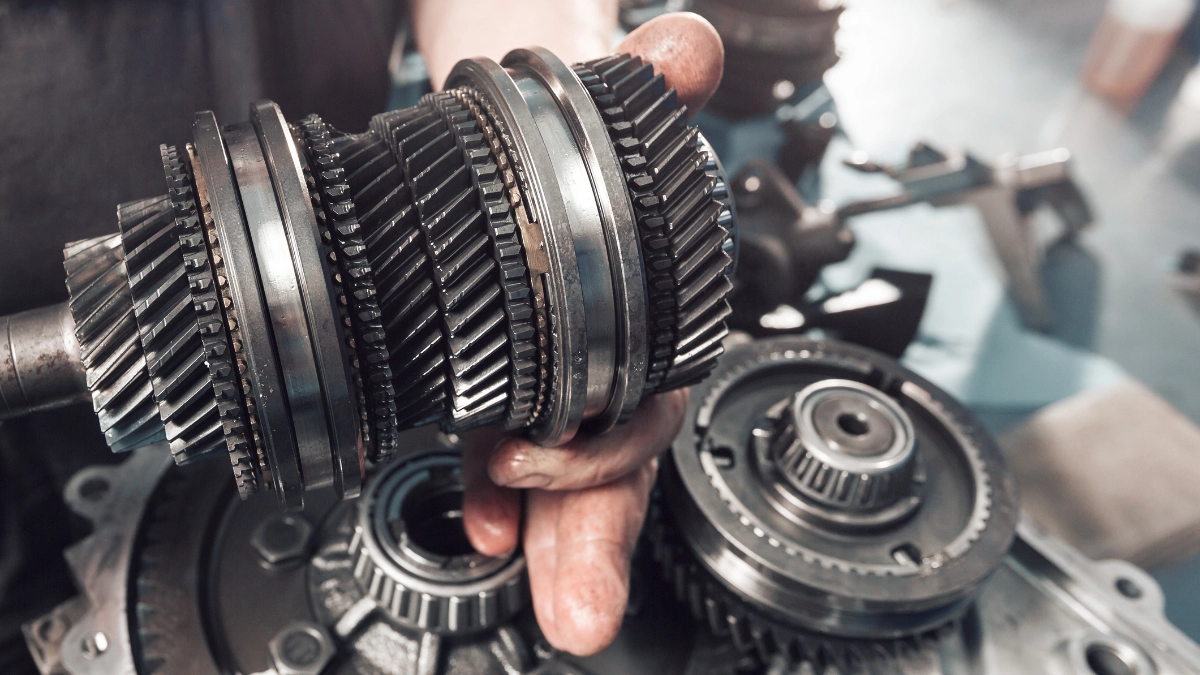
Transmission Service & Rebuilds
Transmission problems demand expert diagnosis and precision repair. From routine fluid service to complete rebuilds, our ASE-certified team has the experience and equipment to handle any transmission issue.
Complete Transmission Services
Whether your transmission is slipping, shifting hard, leaking fluid, or triggering warning lights, RoKr Auto provides comprehensive diagnostic and repair services at our Northwest Austin shop. Our transmission services include complete diagnostic scans reading transmission-specific codes and live shift data, road testing to evaluate shift quality under real-world conditions, transmission fluid exchange and flush service (using manufacturer-specified ATF, CVT fluid, or dual-clutch fluid), seal and gasket replacement for external leaks, solenoid pack and individual solenoid replacement, valve body service and recalibration, torque converter diagnosis and replacement, clutch replacement for manual transmissions, and complete transmission rebuilds when internal failure requires it. We service all transmission types: traditional automatics (4, 6, 8, 9, and 10-speed), manual transmissions, continuously variable transmissions (CVTs common in Nissan, Subaru, Honda, and Toyota), and dual-clutch systems (Volkswagen DSG, Ford PowerShift). Our ASE-Certified Master Technician brings 25+ years of transmission repair experience across domestic, import, and European vehicles—handling everything from a Nissan CVT judder to a BMW ZF 8-speed adaptation reset with precision and care.
Honest Diagnostics & Fair Pricing
Transmission repairs can be among the most expensive automotive services, which is exactly why honest diagnosis is critical—and why so many Northwest Austin drivers trust RoKr Auto for transmission work. We'll never recommend a rebuild when a fluid service or solenoid replacement will solve the problem, and we'll never sell you parts you don't need. Our diagnostic process includes thorough inspection of fluid condition, color, and smell (burnt fluid indicates internal damage), electronic scan for transmission-specific trouble codes and adaptation data, road testing to evaluate shift quality, timing, and torque converter lockup under real driving conditions, and internal inspection via pan drop when needed to assess clutch material, metal debris, and component wear. We provide detailed explanations and written estimates before any major work begins, showing you exactly what we found and why we recommend a specific approach. Many transmission problems—especially hard shifts, delayed engagement, and slipping in specific gears—are caused by a single failed solenoid, worn seal, or contaminated valve body rather than wholesale internal failure. We'll always recommend the most cost-effective solution that ensures long-term reliability, backed by our 3-year/36,000-mile nationwide warranty.
Frequently Asked Questions
What are signs my transmission is failing?
Warning signs include slipping between gears (engine revs but vehicle doesn't accelerate), hard or delayed shifts, grinding or shaking during gear changes, burning smell from transmission fluid, fluid leaks (red or brown fluid under your vehicle), the transmission warning light, or the vehicle not engaging in gear. If you notice any of these, avoid driving aggressively and schedule a diagnostic soon—early intervention can save the transmission.
How often should I change my transmission fluid?
Intervals vary by vehicle and transmission type. Most automatic transmissions benefit from fluid exchange every 30,000–60,000 miles. CVTs typically need service every 30,000–45,000 miles. Some manufacturers claim 'lifetime' fluid, but this assumes ideal conditions—Austin's heat and stop-and-go traffic qualify as severe duty. We recommend checking fluid condition regularly and servicing based on your specific vehicle's needs and driving conditions.
Do I need a full transmission rebuild, or can it be a simpler repair?
Many transmission problems are caused by a single failed component—a solenoid, sensor, valve body issue, or worn seal—rather than widespread internal damage. Proper diagnosis determines the scope. We perform thorough diagnostics including electronic scans, road testing, and fluid analysis before recommending any major work. We'll never sell you a rebuild if a component repair will resolve the issue reliably.
What's the difference between a transmission flush and a fluid exchange?
A fluid exchange (drain and fill) removes approximately 40–60% of old fluid and replaces it with fresh fluid—this is the gentler, more common approach. A flush uses a machine to push all old fluid out under pressure, replacing nearly 100%. Not all transmissions should be flushed, especially high-mileage units that have never been serviced—the pressure can dislodge debris and cause problems. We recommend the appropriate method based on your vehicle's service history and condition.

ASE Certified Technicians
3 Year / 36K Mile Warranty

BBB Accredited

CARFAX Top-Rated
Ready to get started?
Schedule your service today and experience the RoKr Auto difference.
What customers say