
Auto AC Repair & Service
Texas summers are brutal. Keep your cool with expert air conditioning service from technicians who understand Austin's climate and your AC system's demands.
Complete AC System Service
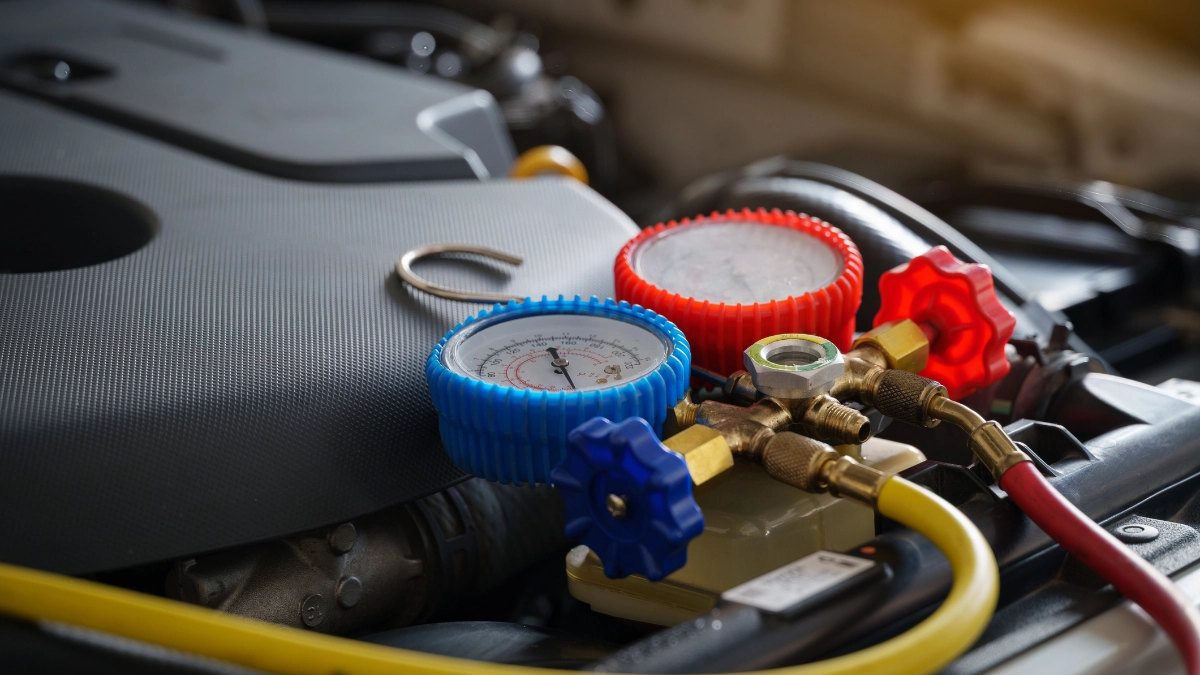
Your vehicle's air conditioning system is a complex network of mechanical, electrical, and refrigerant components working together to keep you comfortable in Austin's intense 100°F+ summers. When AC performance suffers, proper diagnosis—not just adding refrigerant—is essential. RoKr Auto provides comprehensive AC services including electronic leak detection with UV dye and sniffer tools, refrigerant recovery and precision recharging (R-134a and R-1234yf systems), compressor diagnosis and replacement, condenser and evaporator core service, expansion valve and orifice tube replacement, blower motor and resistor repair, cabin air filter replacement, and AC control system electrical diagnosis. Our technicians use professional AC recovery/recharge machines that evacuate the system, pull a deep vacuum to remove moisture, and recharge to manufacturer-exact specifications by weight—not guesswork. We service AC systems on all makes including Toyota, Honda, Ford, Chevrolet, BMW, Mercedes-Benz, and all import vehicles at our Pond Springs Rd shop. Whether your AC blows warm air, cycles on and off rapidly, makes grinding noises, produces a musty smell, or simply doesn't cool like it used to, we'll diagnose the root cause and provide honest repair recommendations.

Beat the Texas Heat
Austin's summer temperatures routinely exceed 100°F from June through September, making a functioning AC system essential—not just for comfort, but for safety. Children, elderly passengers, and pets can suffer heat-related illness in minutes inside a vehicle with failed AC. A struggling AC system also puts extra load on your engine (the compressor draws significant horsepower), reduces fuel efficiency, and causes the engine cooling system to work harder. We recommend AC performance checks every spring—ideally March or April—before temperatures soar. Catching small issues early, like a slow refrigerant leak losing 1–2 ounces per year, a worn compressor clutch bearing, or a partially clogged condenser, prevents complete system failure during peak summer when every AC shop in Austin is booked solid. Our preventive spring AC service includes vent temperature measurement, system pressure testing at idle and under load, refrigerant level verification, electronic leak inspection, drive belt condition assessment, condenser airflow check, and cabin air filter replacement. Don't wait until your AC fails on a 105°F August afternoon—schedule preventive service while appointment availability is open and keep your family comfortable all season long.
Frequently Asked Questions
Why is my AC blowing warm air?
The most common causes are low refrigerant (usually from a leak), a failing compressor, a clogged condenser, a bad blower motor, or electrical issues like a blown fuse or faulty relay. Since multiple components can cause the same symptom, proper diagnosis is essential before any repair. We use specialized AC equipment to test system pressures, check for leaks, and verify component operation to pinpoint the exact cause.
How often should I service my car's AC system?
We recommend an AC performance check annually, ideally in early spring before Austin's intense summer heat arrives. Unlike oil changes, AC systems don't require routine refrigerant top-offs unless there's a leak. However, the cabin air filter should be replaced every 12,000–15,000 miles, and belts driving the compressor should be inspected regularly. Catching small leaks or worn components early prevents complete system failure during peak summer temperatures.
Can I just recharge the refrigerant myself with a store-bought kit?
We advise against it. Store-bought recharge kits often overcharge the system, can introduce sealants that damage components, and don't identify the root cause of refrigerant loss. Overcharging is just as harmful as undercharging—it stresses the compressor and reduces cooling efficiency. Professional service includes leak testing, proper evacuation, vacuum testing for moisture, and precise recharging to manufacturer specifications.
My AC works but smells bad—what's causing it?
Musty or moldy odors typically come from bacteria and mold growth on the evaporator core, which stays damp during normal operation. This is common in humid climates. The fix usually involves an evaporator cleaning treatment and cabin air filter replacement. In some cases, a clogged evaporator drain allows water to pool inside the HVAC housing, accelerating mold growth. We can diagnose and resolve the odor source.

ASE Certified Technicians

3 Year / 36K Mile Warranty

BBB Accredited

CARFAX Top-Rated
Ready to get started?
Schedule your service today and experience the RoKr Auto difference.
What customers say