
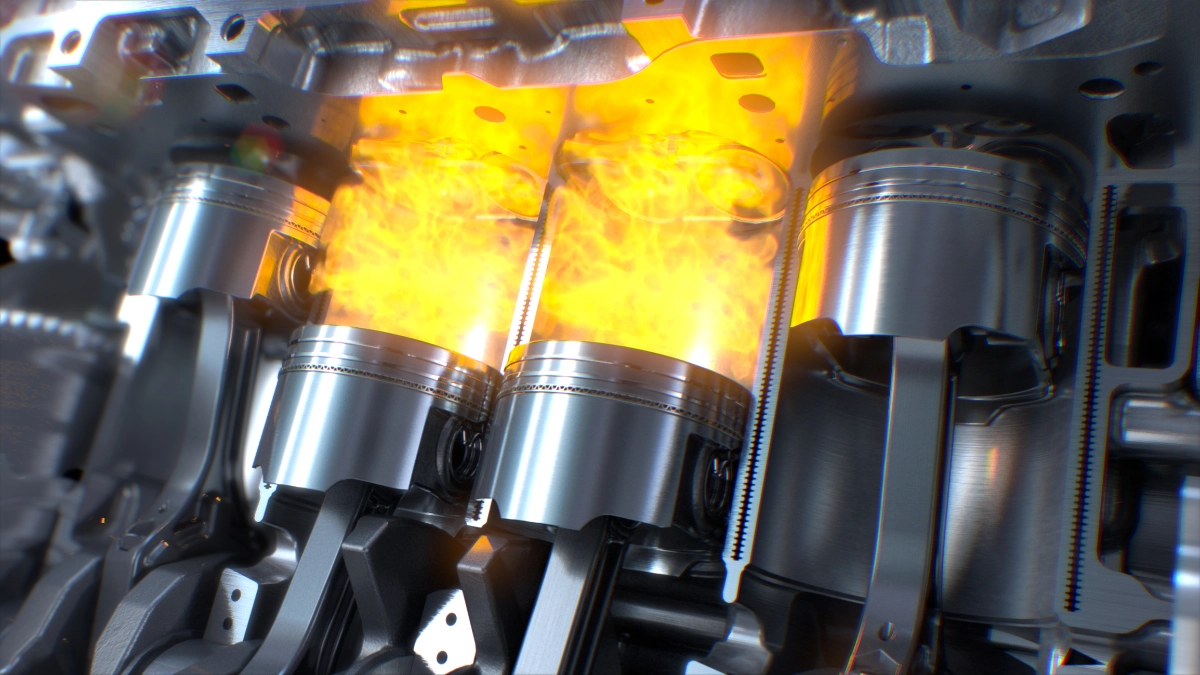
Engine Repair & Performance
Engine problems demand expert diagnosis and quality repairs. Our ASE-certified team handles everything from minor tune-ups to major engine work with precision and care.
Comprehensive Engine Diagnostics & Repair
Modern engines are sophisticated machines with turbochargers, direct injection, variable valve timing, and integrated emissions controls—requiring expert knowledge and specialized tools to diagnose and repair properly. RoKr Auto's comprehensive engine services cover timing belt and chain replacement (critical for interference engines in Toyota, Honda, Subaru, and many others), cylinder head and gasket repairs (including head gasket failure diagnosis with block and combustion leak testing), cooling system service and overheating diagnosis, fuel system cleaning and GDI carbon buildup removal, fuel injector service and replacement, ignition system service (spark plugs, coils, wires, and COP systems), emission system repairs (catalytic converters, O2 sensors, EGR valves), and complete engine performance troubleshooting. Whether you're experiencing rough idle, power loss under acceleration, unusual knocking or ticking sounds, overheating, excessive oil consumption, blue or white exhaust smoke, or check engine lights, our systematic diagnostic process pinpoints the cause before we recommend repairs. Our ASE-Certified Master Technician has 25+ years of experience solving complex engine problems across all makes—from basic four-cylinder commuter cars to advanced turbocharged, direct-injection, and hybrid powertrains. Every repair is backed by our 3-year/36,000-mile nationwide warranty.
Timing Belt Replacement Specialists
Timing belt failure on an interference engine destroys valves, pistons, and potentially the cylinder head in seconds—turning a preventive maintenance job into a multi-thousand-dollar engine rebuild. If your vehicle has a timing belt (common on Honda, Toyota, Subaru, Hyundai, Kia, Volkswagen, and Audi), replacement at manufacturer-specified intervals is critical. Our comprehensive timing belt service includes replacing the timing belt with OEM-quality components, inspecting and replacing the hydraulic tensioner and idler pulleys (these wear at the same rate as the belt), replacing the water pump (it's driven by the timing belt and labor-overlapping—doing it now prevents a separate future job), inspecting and replacing camshaft and crankshaft seals if leaking, and verifying valve timing marks after installation with a test drive. We follow manufacturer procedures precisely—timing belt replacement requires exact torque specifications, proper tensioner preload, and correct timing mark alignment. Intervals range from 60,000 miles (some older Honda and Toyota models) to 100,000+ miles (newer Hyundai/Kia). Austin's extreme heat (sustained 100°F+ ambient temperatures) accelerates rubber degradation, so we recommend not exceeding the mileage interval even if the belt 'looks fine.' We provide detailed written estimates before beginning work, and all timing belt services are backed by our 3-year/36,000-mile nationwide warranty.
Frequently Asked Questions
What are signs my engine needs repair?
Watch for rough or uneven idle, loss of power or hesitation during acceleration, unusual knocking or ticking sounds, excessive oil consumption, visible smoke from the exhaust (blue = oil burning, white = coolant leak, black = rich fuel), engine overheating, or the check engine light. Any of these warrant prompt diagnosis—small engine problems become major repairs when ignored.
When should I replace my timing belt?
Most manufacturers recommend timing belt replacement between 60,000 and 100,000 miles, depending on the vehicle. Check your owner's manual for your specific interval. Austin's extreme heat accelerates rubber deterioration, so don't push past the recommended mileage. Timing belt failure on an interference engine causes catastrophic internal damage—valves hit pistons, resulting in thousands of dollars in additional repairs that are completely preventable with scheduled replacement.
What's the difference between a tune-up and engine repair?
A tune-up is preventive maintenance—replacing spark plugs, ignition coils, air filters, and fuel filters to maintain peak performance. Engine repair addresses existing problems like misfires, oil leaks, overheating, timing issues, or internal component failures. Modern vehicles don't need traditional tune-ups as frequently as older cars, but spark plugs still wear out (typically 60,000–100,000 miles) and ignition components degrade over time.
Why is my engine overheating?
Common causes include a coolant leak (hoses, radiator, water pump, or head gasket), a failing thermostat stuck closed, a clogged radiator, a failed cooling fan, or a blown head gasket. Overheating is serious—if your temperature gauge enters the red zone, pull over safely and shut off the engine immediately. Continuing to drive an overheating engine can warp the cylinder head or damage internal components. We diagnose the root cause with pressure testing and thermal analysis.

ASE Certified Technicians

3 Year / 36K Mile Warranty

BBB Accredited

CARFAX Top-Rated
Ready to get started?
Schedule your service today and experience the RoKr Auto difference.
What customers say